

If you’ve ever stood in the produce aisle wondering about white cabbage vs green cabbage, you’re not alone. The two look nearly identical, are often labeled interchangeably, and are sometimes even called the same thing. So what’s the real difference — and which type of cabbage should you use?
In this comprehensive guide, we’ll break down:
- The difference between white cabbage vs green cabbage
- How they compare nutritionally
- Their flavor, texture, and cooking differences
- The best ways to cook each one
- How they compare to napa cabbage, red cabbage, and other cabbage varieties
- Which one works best for specific cabbage recipes
Let’s dive into this underrated leafy vegetable.
Summary
When it comes to white cabbage vs green cabbage, the truth is simple: in most grocery stores, they are the same type of cabbage. “White cabbage” is simply another name for green cabbage, especially in Europe.
Both are members of the plant family Brassicaceae — the same group as brussels sprouts, bok choy, and Tuscan kale. They have a mild flavor, crisp texture when raw, and tender texture when cooked.
However, subtle differences in growing conditions, outer leaves, and harvest timing can affect color and flavor slightly.
If you’re looking for the best ways to cook cabbage — roasting, sautéing, stir-frying, or stuffing — both work beautifully.
What Is White Cabbage?
White cabbage is typically what Americans call regular cabbage or green cabbage. It has:
- A large head
- Pale green leaves that appear almost white inside
- Firm, tightly packed cabbage leaves
- Crisp texture when raw
- Soft texture when cooked
In many European countries, it’s simply referred to as white cabbage because the inner leaves are pale and light compared to dark green outer leaves.
This cabbage variety has a high edible yield and superior shelf life, making it an economical choice year-round — especially in late winter and early spring.
What Is Green Cabbage?
Green cabbage is the same cannonball cabbage (sometimes called cannonball cabbage) commonly found in North American grocery stores.
It features:
- Green leaves that get lighter toward the center
- Tightly layered cabbage leaves
- Mild flavor with a slightly sweet flavor when cooked
- Excellent crunch in raw leaves
The green cabbage leave structure holds up well in slaws, cabbage rolls, and quick stir-fry recipes.
So… Is There a Real Difference?
Technically? No major botanical difference.
Both are:
- A member of the plant family Brassicaceae
- A cruciferous vegetable
- Part of the same cabbage varieties
The confusion comes from labeling. In some regions, white cabbage vs green cabbage is purely a naming difference rather than a different type of cabbage.
However, environmental factors can influence:
- Shade of green
- Sweet flavor vs mild flavor
- Crunchy texture
But functionally? They cook and taste nearly identical.
Nutritional Profiles: Are There Nutritional Differences?
Both white cabbage and green cabbage are excellent sources of nutrition.
They are rich in:
- Vitamin K
- Vitamin C
- Vitamin B
- Vitamin E
- Fiber
- Bioactive compounds
- Antioxidants that help fight free radicals
As cruciferous vegetables, they are studied for their role in:
- Cancer prevention
- Supporting the immune system
- Helping lower blood pressure
- Supporting liver disease prevention
According to registered dietitian Vandana Sheth and other nutrition experts, cabbage is an excellent source of nutrition that’s often overlooked.
Compared to purple cabbages or red cabbage, green/white cabbage contains slightly less anthocyanins (the pigments that give red cabbage its color), but still contains much vitamin C and vitamin K.
Flavor & Texture Comparison
Raw
- Crisp texture
- Crunchy texture
- Mild flavor
- Slight peppery flavour
Perfect for coleslaw with lemon juice, soy sauce dressings, or fresh salads.
Cooked
- Tender texture
- Sweet flavor develops
- Soft texture when braised
With longer cooking time thanks to dense leaves, it becomes silky and savory.
Best Ways to Cook White Cabbage vs Green Cabbage
Because they are essentially the same cabbage variety, cooking methods apply equally to both.
1. Quick Stir-Fry (Best for Crunch)
A quick stir-fry over high heat preserves crisp texture.
Slice into big pieces and sauté with:
- Soy sauce
- Garlic
- Lemon juice
- Red pepper flakes
Great for Asian cuisine dishes like cabbage lo mein or stir-fried dishes with bok choy and napa cabbage.
2. Roasting (Most Interesting Flavor Experience)
Roasting wedges at high heat caramelizes the edges.
Drizzle with olive oil and roast until dark green outer leaves crisp up.
You get:
- Sweet flavor
- Slight char
- Elevated dish worthy of any meal
Pairs beautifully with pork chops or as a vegetarian main ingredient.
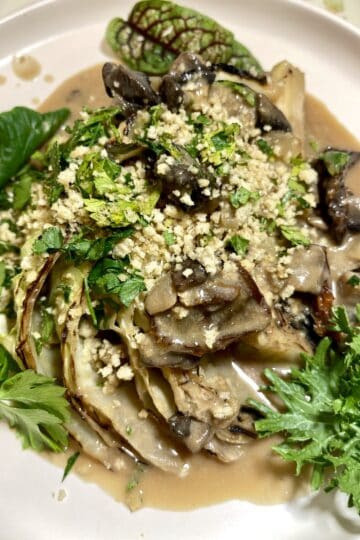
3. Braising (Soft & Comforting)
Slow braising transforms cabbage into a tender, melt-in-your-mouth side.
Add:
- Vegetable broth
- Juniper berries
- Lemon juice
This method reduces any bitter taste and creates a deeply savory dish.
4. Stuffed Cabbage Rolls
Large leaves make them ideal for cabbage rolls or stuffed cabbage soup.
Blanch the outer leaves first to soften.
You can use them in:
- Stuffed cabbage soup
- Cabbage chicken roll enchiladas
- Rice-filled vegetarian rolls
5. Fermentation
Like napa cabbage and Chinese cabbage used in East Asia, green cabbage can be fermented into sauerkraut.
This enhances:
- Gut health
- Immune system support
- Bioactive compounds
How It Compares to Other Varieties of Cabbage
To truly understand white cabbage vs green cabbage, it helps to compare them to different types of cabbage.
Red Cabbage (Purple Cabbages)
- Dark red or purple color
- Peppery flavour
- Slightly firmer texture
- Higher antioxidant levels
Best for slaws and raw dishes.
Napa Cabbage (Chinese Cabbage)
- Loose leaves
- Long stalks of crinkly leaves
- Tender leaves of savoy cabbage-like texture
- Softer and more delicate
Common in Asian cuisine and Korean BBQ glaze dishes.
Savoy Cabbage
- Crinkly appearance
- Curly cabbage texture
- Tender leaves
- More delicate than regular cabbage
Ideal for lighter cooking methods.
Jaroma Cabbage & January King Cabbage
These specialty kinds of cabbage are seasonal and offer slightly different results in texture and flavor.
When Should You Choose White vs Green?
Because they are essentially the same, choose based on:
- Freshness (tight large head, firm outer leaves)
- Color preference
- Availability at your grocery store
Both are a great choice for:
- Cabbage recipes
- Slaws
- Soups
- Stir-fried dishes
If you're making cabbage rolls or stuffed dishes, look for large leaves that peel easily.
Buying & Storage Tips
Look for:
- Tight, compact head
- Crisp green leaves
- No browning or mushy spots
Thanks to their superior shelf life, they last a long time in the refrigerator.
Remove damaged outer leaves before storing.
Final Verdict: White Cabbage vs Green Cabbage
There is no meaningful culinary difference between white cabbage vs green cabbage in most markets.
Both are:
- A cruciferous vegetable
- Packed with vitamins C and K
- An economical choice
- Extremely versatile
- A fantastic main ingredient
If you're after the most interesting flavor experience, roast it.
If you want crunch, try a quick stir-fry.
If you want comfort food, braise it low and slow.
And if you want a nutrient-dense leafy green that supports your immune system and overall health — cabbage in any form is an ideal choice.


Comments
No Comments